
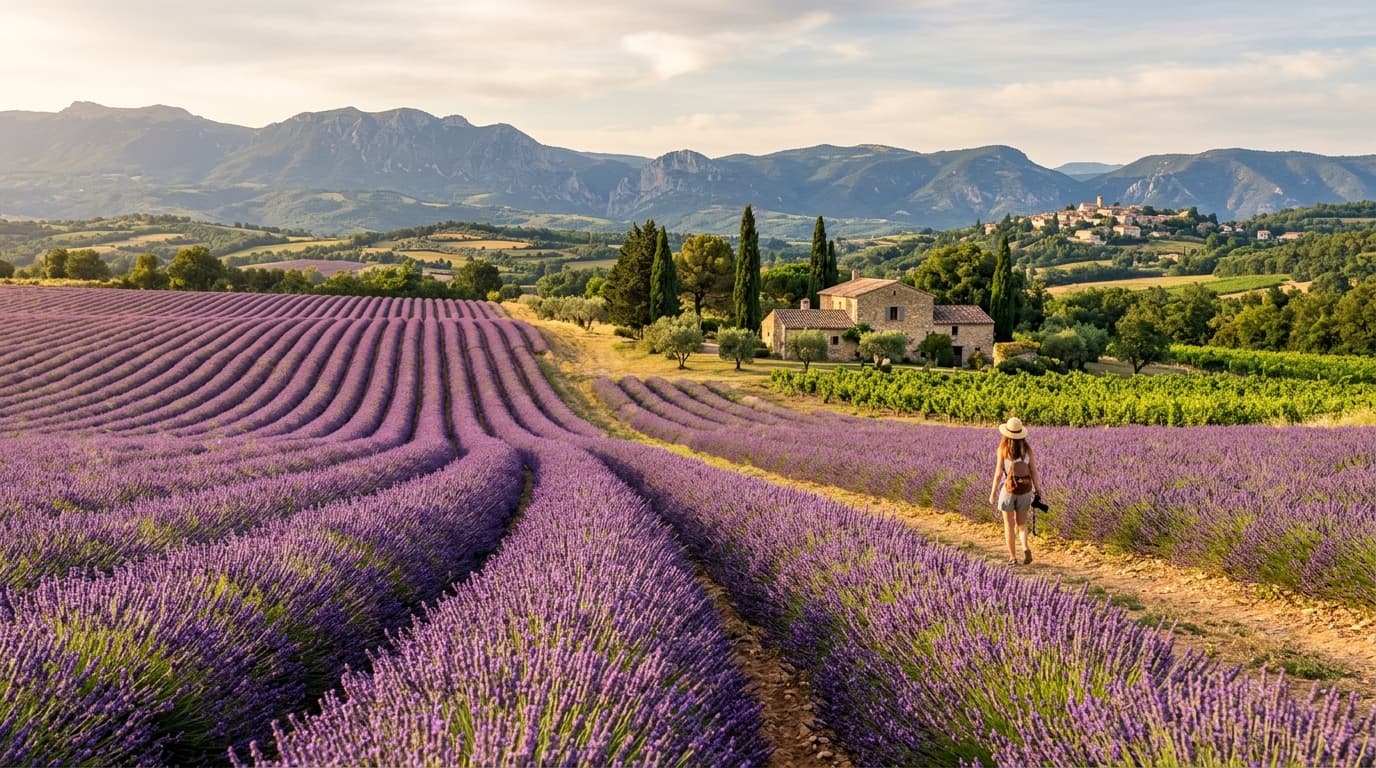
Lavender Fields of Provence: When and Where to Visit
The moment we stepped out of our car onto the edge of the Valensole plateau in mid-July, the scent hit us first—not the Instagram-filtered fantasy of lavender, but something far more complex. Sweet, herbaceous, almost medicinal. Rows upon rows of purple stretched toward the horizon like brushstrokes on a canvas, and we finally understood why people travel thousands of miles to stand in these fields.
Provence's lavender season is brief, intense, and utterly transformative. But getting it right requires more than just showing up in summer. This guide draws on our three years exploring Provence as residents and repeated visits to the region's most celebrated lavender destinations. We'll walk you through exactly when to go, where to find the best fields, which operators deliver genuine experiences (and which ones don't), and how to avoid the tourist traps that can turn a dream visit into a crowded, expensive disappointment.
We may earn a small commission from bookings made through our links, at no extra cost to you.
Key Takeaways
| Question | Answer |
|---|---|
| Best time to visit? | Mid-July to early August for peak bloom; late June for fewer crowds |
| Where are the main fields? | Valensole plateau (largest), Sault, Banon, and Provençal hills near Grasse |
| How long should you stay? | 2-3 days minimum to explore multiple locations and avoid day-trip rush |
| What's the cost? | Guided tours €45–€120 per person; self-driving is free except for fuel and parking |
| Can you visit in other months? | Yes, but flowering is limited before June and after August |
| Is it crowded? | Extremely crowded in July; quieter in late June and early August |
1. Understanding Lavender Season in Provence
Provence's lavender bloom follows a predictable but narrow window. The flowering season typically runs from late May through August, but the visual spectacle—those dense, purple-carpeted fields—peaks between mid-July and early August. This is when the plants are at maximum bloom and the essential oil content is highest, which is why this is also harvest season.
When we visited in late June, the fields were perhaps 60% in bloom, with patches of green still visible. The crowds were manageable—we could actually walk between rows without dodging tour groups. By mid-July, the fields were completely saturated with color, but so were they with visitors. We counted tour buses from at least eight different operators in a single parking area near Valensole.
The harvest itself, which peaks in early August, is worth timing your visit around. You'll see mechanical harvesters working the fields, and the air becomes thick with the scent of freshly cut lavender. It's beautiful but chaotic—not ideal if you're seeking solitude.
Bloom timeline:
- Late May–early June: Early bloomers appear; fields are 20–40% purple
- Mid-June: Fields reach 50–70% bloom; manageable crowds
- Late June–early July: 80–90% bloom; crowds increase significantly
- Mid-July–early August: Peak bloom and peak crowds; harvest underway
- Late August: Bloom fades; fields appear sparse and harvested
For our money, late June offers the best balance of visual impact and reasonable visitor numbers. You'll still see spectacular fields, but you won't be shoulder-to-shoulder with 200 other tourists.
2. The Valensole Plateau: Provence's Lavender Heart
The Valensole plateau is the undisputed epicenter of Provence's lavender production. This 800-square-kilometer area in the Alpes-de-Haute-Provence department produces roughly 30% of France's lavender and dominates the visual landscape during bloom season. The plateau sits at approximately 600 meters elevation, which extends the bloom season slightly compared to lower-lying areas.
The landscape here is almost surreal—endless rows of lavender interspersed with wheat fields and small stone villages. The main towns are Valensole itself (population around 2,500) and smaller hamlets like Gréoux-les-Bains, which sits on the plateau's edge and offers thermal spa facilities if you want to combine lavender tourism with wellness.
What to expect:
- Largest concentration of purple fields in Provence
- Most heavily touristed area (especially mid-July)
- Best infrastructure for visitors: restaurants, hotels, tour operators
- Highest density of photo-worthy spots
- Most crowded parking areas and viewpoints
When we visited the plateau in mid-July, we found the main viewing areas completely packed by 10 a.m. The solution? We drove back roads and found equally stunning but nearly empty fields just 2–3 kilometers from the main tourist zones. This requires a car and some willingness to explore, but it transforms the experience.
The plateau is roughly 45 minutes south of Marseille and 90 minutes from Lyon, making it accessible for a day trip—though we'd strongly recommend staying overnight to avoid the worst of the day-tripper congestion.
3. Sault: The Quieter Alternative
Sault, a medieval hilltop village in the Drôme Provençale, sits at 700 meters elevation and offers a markedly different lavender experience from Valensole. The fields here are smaller, more fragmented, and surrounded by dramatic limestone cliffs and forested hills. The village itself is genuinely charming—narrow stone streets, a 12th-century church, and far fewer souvenir shops than you'll find in Valensole.
Sault's lavender season runs slightly later than Valensole's, peaking in early to mid-August rather than mid-July. This timing advantage means you can visit Sault when Valensole is at its most crowded, and still see excellent blooms.
The surrounding landscape is more varied and visually interesting than the flat plateau. You get lavender fields interspersed with oak forests, wheat, and dramatic geological formations. The light here is different too—the elevation and surrounding hills create more dramatic shadows and color contrasts, which photographers consistently praise.
Sault's advantages:
- Fewer crowds, even in peak season
- More varied, dramatic landscape
- Later bloom season (better for late-July/early-August visits)
- Authentic village atmosphere without heavy commercialization
- Excellent local restaurants and small hotels
Sault's drawbacks:
- Fewer formal tour operators and organized activities
- Less infrastructure for very large groups
- Requires more self-direction to find the best fields
- Fewer accommodations than Valensole area
We spent two nights in Sault in early August and found it revelatory after the Valensole crowds. The fields were equally spectacular, the village was genuinely pleasant to walk around, and we could actually have a conversation without shouting over tour groups.
4. Lesser-Known Lavender Destinations
Beyond Valensole and Sault, Provence has several smaller lavender zones that rarely appear in mainstream travel guides. These areas offer authentic experiences with minimal tourist infrastructure—which is either a feature or a bug depending on your preferences.
Banon and the Drôme Provençale: The small village of Banon, famous for its goat cheese wrapped in chestnut leaves, sits amid lavender fields that rival Sault's in beauty but receive a fraction of the visitors. The landscape here is exceptionally varied—lavender alternates with chestnut groves, vineyards, and small farms. The village itself is genuinely tiny (fewer than 600 residents) and feels like stepping back 50 years.
Near Grasse: The hills surrounding Grasse, the world's perfume capital, are carpeted with lavender, rose, and jasmine fields. This area is less about pure lavender tourism and more about understanding how these flowers feed France's fragrance industry. The Fragonard and Molinard perfume houses both offer tours that explain lavender's role in perfume-making. It's a more educational angle than pure sightseeing.
Provençal Hills (Luberon Valley): The gentle hills around Lourmarin and Ménerbes have scattered lavender fields interspersed with vineyards and olive groves. This area is less about lavender specifically and more about the broader Provençal landscape. If you're combining a wine-tasting trip with lavender viewing, this is your zone.
Why visit these areas:
- Dramatically fewer tourists
- More authentic village experiences
- Better integration with other Provençal activities (wine, food, hiking)
- More reasonable accommodation prices
- Opportunity to support smaller local businesses
The trade-off is that these areas require more self-direction. There are fewer marked viewpoints, fewer tour operators, and less English-language information. But if you speak basic French or are comfortable navigating with a GPS and local maps, the payoff is substantial.
5. Guided Tours vs. Self-Guided Exploration
We've done both extensively, and the choice depends entirely on your travel style, budget, and how much you value spontaneity.
Guided Tour Operators
Lavender-Specific Tours: Several operators run dedicated lavender tours during peak season. These typically include:
- Hotel pickup and drop-off
- 4–6 hours of guided exploration
- Visits to multiple field locations
- Commentary on lavender history, cultivation, and uses
- Stops at local producers (distilleries, shops)
- Lunch or refreshment stops
Price range: €60–€120 per person, depending on group size and inclusions.
Pros:
- No navigation required
- Access to private or semi-private field locations
- Educational context about lavender production
- Convenient for visitors without rental cars
- Often includes tastings at local producers
Cons:
- Rigid schedules; you're locked into the group's pace
- Peak-season tours are often large groups (15–25 people)
- Limited time at each location
- You're paying for convenience, not value
- Many tours hit the same three or four "Instagram spots"
When we took a commercial tour in July (to evaluate the experience), we spent 45 minutes at a famous viewpoint with 80 other tourists. The guide was knowledgeable, but the experience felt more like a box to check than a genuine encounter with the landscape.
Reputable operators we've encountered:
- Provence Tours (based in Aix-en-Provence; €75–€95 per person)
- Local guides through Valensole tourism office (€60–€80)
- Hotel concierges in Aix and Marseille can arrange private guides (€120–€180 for small groups)
Self-Guided Exploration
Renting a car and exploring on your own offers far more flexibility and, frankly, a better experience if you have 2–3 days.
Advantages:
- Complete control over timing and pace
- Ability to find quiet, uncrowded fields
- Flexibility to stay longer at locations you love
- Opportunity to eat at small local restaurants
- Significantly cheaper (just fuel and parking costs)
- Can combine lavender viewing with other activities
Disadvantages:
- Requires navigation skills and a decent GPS/map
- Language barrier if you don't speak French
- No educational context unless you research beforehand
- Parking can be chaotic at popular spots
- You might miss some of the best locations without local knowledge
Our approach: Rent a car, stay in a village (Sault or Valensole), and spend mornings exploring back roads with a printed map and GPS. We'd identify a general area, then drive slowly, stopping whenever we spotted a particularly beautiful field with accessible parking. This method yielded far better photos and more genuine moments than any organized tour.
Self-guided tips:
- Download offline maps (Google Maps or Maps.me) before arriving
- Use Google Street View to scout locations beforehand
- Ask hotel staff for recommendations on quiet field locations
- Bring a good camera—even your phone camera will be stunning
- Plan to spend 3–4 hours driving and exploring per day
6. Photography and the Instagram Effect
Let's be honest: most people visit Provence's lavender fields for photos. There's nothing wrong with that, but it's worth understanding the reality behind the images.
The most famous lavender photography spots—the chapel surrounded by fields, the tree-lined road through purple rows, the sunset over the plateau—are now so well-known that they're essentially pilgrimage sites. We visited the famous chapel near Valensole at 7 a.m. on a Tuesday in late June and still found 30 people already there.
The Instagram reality:
- Peak-season crowds make solitary shots nearly impossible
- The best light (sunrise and sunset) attracts the most photographers
- Many "iconic" spots are on private property; you're technically trespassing
- Drone photography is increasingly restricted
- Filters and editing make fields look more vibrant than reality
How to get better photos:
- Visit in late June or early August instead of mid-July. You'll have fewer competitors for shots.
- Explore back roads instead of famous viewpoints. Drive slowly through the plateau and stop whenever you see a beautiful field with accessible parking.
- Shoot in early morning or late evening for dramatic light, but arrive 30+ minutes before sunrise to beat crowds.
- Bring a polarizing filter if you have a camera. It deepens the purple and reduces glare.
- Focus on details—close-ups of individual flowers, bees, and textures—rather than trying to capture the entire field.
- Respect private property. If there's a fence or gate, don't cross it. There are plenty of accessible fields.
When we visited in late June, we found a stunning field with a small farmhouse and a tree-lined path—completely empty at 6:30 a.m. We spent an hour there without seeing another person. The photos were far better than anything we'd gotten at the famous spots.
7. Combining Lavender with Regional Activities
Provence offers far more than lavender, and the best trips integrate field visits with other regional experiences.
Wine and Lavender: The Luberon Valley and areas around Lourmarin have excellent wineries alongside lavender fields. You can visit a vineyard in the morning, explore lavender fields in the afternoon, and enjoy local wine with dinner. The French Drinks Guide has excellent recommendations for Provence's wine regions.
Food and Culinary Experiences: Provence's cuisine is inseparable from its herbs. Visit a lavender field, then take a cooking class using local ingredients. Many small hotels and cooking schools in Valensole and Sault offer half-day classes (€80–€150 per person). The French Food Guide covers Provençal cuisine in detail.
Hiking and Nature: The landscape around Sault and the Drôme Provençale is excellent for hiking. Several trails loop through lavender fields and surrounding forests. The Mont Ventoux area, about 45 minutes from Sault, offers dramatic hiking with views across the entire region.
Village Exploration: Provence's medieval villages—Lourmarin, Ménerbes, Bonnieux, Gordes—are genuinely worth visiting. Many are within 30–45 minutes of major lavender fields. You can structure a trip as: morning lavender, lunch in a village, afternoon exploring narrow streets and local shops.
Perfume and Distillery Tours: Several lavender distilleries near Sault and Valensole offer tours showing how lavender is processed into essential oils and products. These are educational and genuinely interesting—not just gift-shop fronts.
8. Accommodation and Logistics
Where you stay dramatically affects your experience. Staying in the region rather than day-tripping from Marseille or Nice allows you to visit fields during optimal light hours (early morning and late evening) when crowds are minimal.
Valensole Area:
- Hotels: Mostly 2–3 star properties; €70–€140 per night
- Guesthouses/B&Bs: €60–€120 per night
- Vacation rentals: €80–€200 per night for a small apartment
- Atmosphere: Touristy but convenient; good restaurant selection
Sault:
- Hotels: Fewer options; €65–€110 per night
- Guesthouses/B&Bs: €55–€100 per night
- Vacation rentals: €70–€150 per night
- Atmosphere: Quieter, more authentic; fewer dining options but higher quality
Banon/Drôme Provençale:
- Guesthouses/B&Bs: €50–€90 per night (often excellent value)
- Small hotels: €60–€100 per night
- Vacation rentals: €60–€140 per night
- Atmosphere: Very quiet; limited dining; requires self-catering or driving to nearby towns
Our recommendation: Stay 2–3 nights in Sault or a smaller village. This gives you time to explore thoroughly without the day-trip rush, and you'll experience the region more authentically.
Getting there:
- From Marseille: 90 minutes to Valensole; 2 hours to Sault
- From Lyon: 2.5 hours to Sault; 3 hours to Valensole
- From Nice: 3 hours to Valensole; 3.5 hours to Sault
- Car rental is essential; public transportation to lavender areas is minimal
Practical info: Check our Practical Info guide for details on car rentals, driving in France, and general travel logistics.
9. What to Pack and Prepare
Visiting lavender fields requires some specific preparation.
Essential items:
- Sunscreen: The plateau offers almost no shade; SPF 50+ is necessary
- Hat and sunglasses: Non-negotiable
- Comfortable walking shoes: You'll be walking through fields; avoid flip-flops
- Camera or phone with good camera: Even if you're not a photographer, you'll want to capture the experience
- Water: Bring at least 1.5 liters per person; it's hot and dry
- Insect repellent: Mosquitoes can be problematic near irrigation areas
- Light layers: Early mornings and evenings are cool; afternoons are hot
Clothing:
- Light, breathable fabrics
- Long pants or skirts (to avoid scratches from lavender plants)
- Closed-toe shoes (for field walking)
- A light jacket or sweater for early morning/evening
Allergies:
If you have hay fever or pollen allergies, the lavender fields might trigger symptoms. The pollen count is high during bloom season. Consider antihistamines if you're sensitive.
Photography prep:
- Charge all devices the night before
- Bring extra batteries or a portable charger
- Clean your camera lens before arriving
- Research locations on Google Maps beforehand
10. Booking Your Lavender Trip: Practical Guide
Step-by-Step Booking Process
1. Choose your dates (4–6 weeks in advance)
- Decide between late June (fewer crowds, slightly fewer blooms), mid-July (peak bloom, peak crowds), or early August (good blooms, manageable crowds)
- Book accommodations immediately; good options fill quickly
2. Select your base location
- Valensole: Most touristy, most infrastructure
- Sault: Better balance of experience and convenience
- Smaller villages: Most authentic, requires more self-direction
3. Book accommodation
- Use Booking.com, Airbnb, or local tourism websites
- Read recent reviews carefully; some places are overpriced for what they offer
- Confirm cancellation policies (weather can affect plans)
- Typical cost: €60–€140 per night
4. Arrange car rental (if self-guided)
- Book through major companies (Hertz, Avis, Europcar) or local agencies
- Typical cost: €35–€60 per day for a small car
- Confirm insurance coverage
- Pick up in a major city (Marseille, Lyon, Nice) for better rates
5. Book tours (if organized)
- Contact operators 2–3 weeks in advance during peak season
- Confirm group size, pickup location, and what's included
- Ask about cancellation policies
- Typical cost: €60–€120 per person
6. Plan additional activities
- Research wine tastings, cooking classes, hiking trails
- Book popular activities in advance (especially cooking classes)
- Check opening hours for distilleries and perfume houses
7. Arrange transportation
- Book train tickets from major cities if not renting a car
- Check Practical Info for French rail options
- Plan your route to lavender areas
Booking Resources
| Resource | Best For | Cost |
|---|---|---|
| Booking.com | Hotels and guesthouses | €60–€140/night |
| Airbnb | Vacation rentals and local experiences | €70–€180/night |
| Valensole Tourism Office | Local tours and information | €60–€95/person |
| Sault Tourism Office | Local accommodations and guides | €50–€100/night |
| Hertz/Avis | Car rentals | €35–€60/day |
| Viator | Pre-booked tours | €60–€120/person |
Budget Breakdown (3 Days, 2 People)
| Item | Cost |
|---|---|
| Accommodation (2 nights) | €120–€280 |
| Car rental (3 days) | €105–€180 |
| Fuel | €30–€50 |
| Meals (not including fine dining) | €100–€150 |
| Tours or activities | €0–€240 |
| Total | €355–€900 |
Did You Know?
Provence produces approximately 30% of the world's lavender, and the Valensole plateau alone accounts for roughly 40% of French production. The essential oil from lavender is used not just in perfume but in pharmaceuticals, cosmetics, and food flavoring. A single hectare of lavender yields about 15–20 kilograms of essential oil—which is why the fields are so economically important to the region.
Frequently Asked Questions
When is the absolute best time to visit lavender fields? Mid-July to early August offers peak bloom, but also peak crowds. If you prioritize fewer tourists over maximum blooms, visit late June. Early August is an excellent compromise—good blooms with noticeably fewer visitors than mid-July.
Can you visit lavender fields outside of summer? Yes, but with caveats. Late May and early June show early blooms (30–50% of fields). September has some remaining flowers, but most fields are harvested by late August. For the full, dense purple experience, you need June through August.
Do you need a car to visit lavender fields? Not necessarily. You can take organized tours from Marseille or Nice, or use local buses in Valensole and Sault. However, a car gives you far more flexibility and access to less-crowded fields. We'd recommend renting one if possible.
Are lavender fields free to visit? Yes. Most fields are visible from public roads, and many have accessible parking areas or pull-offs. Some private fields have "no trespassing" signs—respect these. There's no entrance fee to view fields from public areas.
What's the difference between Valensole and Sault lavender? Both are the same species (Lavandula angustifolia), but Sault's higher elevation (700m vs. 600m) means slightly later blooming. Sault's landscape is more varied and dramatic; Valensole's plateau is flatter and more uniform. Sault is less crowded; Valensole has more infrastructure.
Can you pick lavender from the fields? Technically, no—the fields are commercial operations. However, many distilleries and shops sell fresh or dried lavender bunches. Some farms sell bunches to visitors during harvest season. Always ask permission before picking anything.
Is it worth taking a guided tour, or should I explore on my own? If you have 2–3 days and a rental car, self-guided exploration is superior—you'll see better locations and have more flexibility. If you have only one day and no car, a guided tour is worth it. Tours are convenient but less rewarding than independent exploration.
Conclusion
Provence's lavender fields are genuinely spectacular, but they're also increasingly crowded and commercialized. The difference between a transformative experience and a frustrating tourist trap often comes down to timing, location, and how you choose to explore.
Our strongest recommendation: Visit in late June or early August, stay in Sault or a smaller village for 2–3 nights, rent a car, and spend your time exploring back roads rather than famous viewpoints. You'll see equally beautiful fields, encounter far fewer tourists, and have a more authentic encounter with the landscape and region.
If you're planning a trip to Provence, consider combining lavender with the region's other attractions. Explore our guides to Provence and nearby regions for ideas on wine, food, hiking, and village exploration. And if you need practical information on visas, transportation, or general travel logistics, check our Practical Info guide.
The lavender fields will be there in 2026, 2027, and beyond. Plan your visit thoughtfully, and you'll understand why people return to these purple-carpeted hills year after year.
Ready to book your lavender adventure? Start by choosing your dates, then work backward through our booking checklist above. Questions? The tourism offices in Valensole and Sault are genuinely helpful and respond to English-language emails within 24 hours.
Bronnen & Referenties
Dit artikel is gebaseerd op eigen ervaring en geverifieerd met de volgende officiele bronnen:

Go2France Team
Gevestigd in Frankrijk sinds 2020 | Alle 13 regio's bezocht | Maandelijks bijgewerkt
Wij zijn een team van reisschrijvers en Frankrijk-liefhebbers die het land het hele jaar door verkennen. Onze gidsen zijn gebaseerd op eigen ervaring, lokale kennis en geverifieerde officiele bronnen.
Meer over ons →Anderen lezen ook
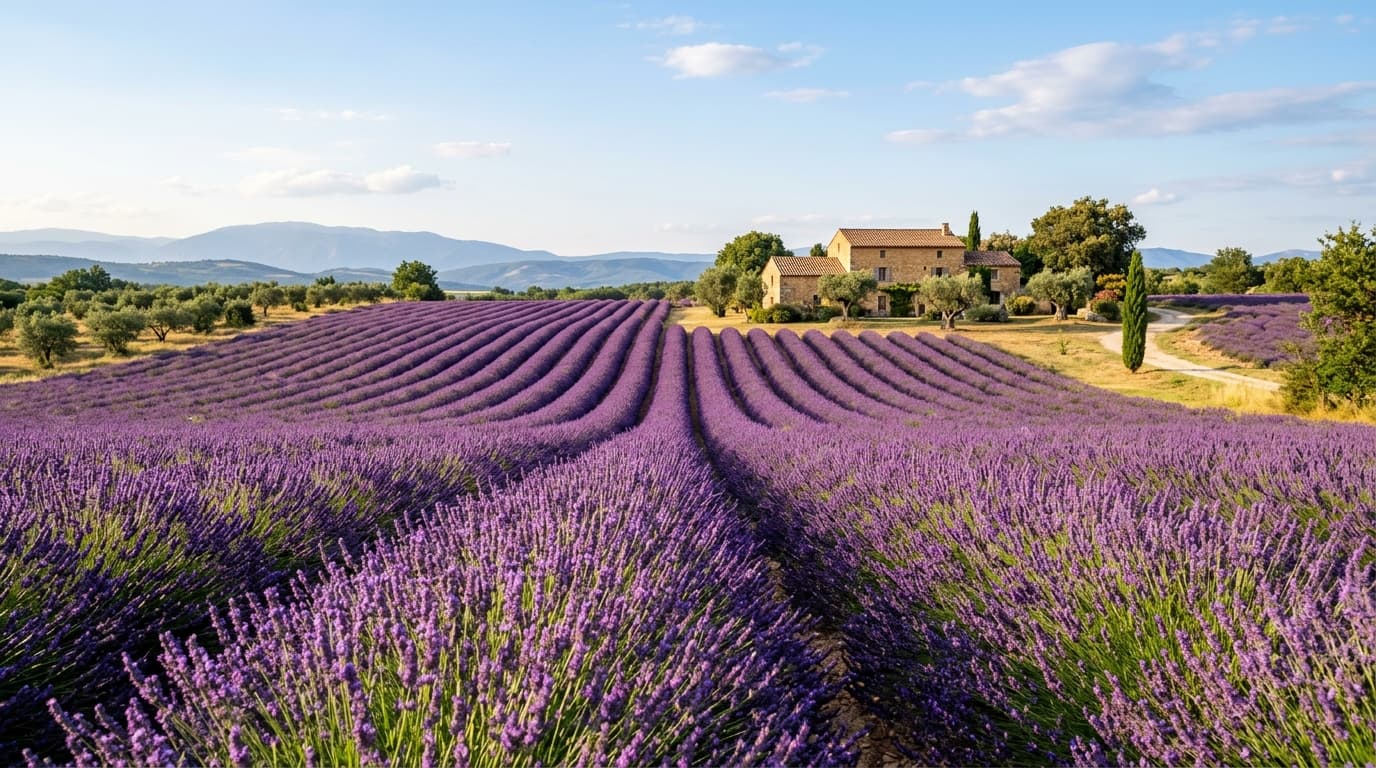
Provence Lavender Season: When and Where to See the Purple Fields
Plan your visit to Provence's stunning lavender fields with our guide to timing, locations, driving routes, and the best villages to visit.
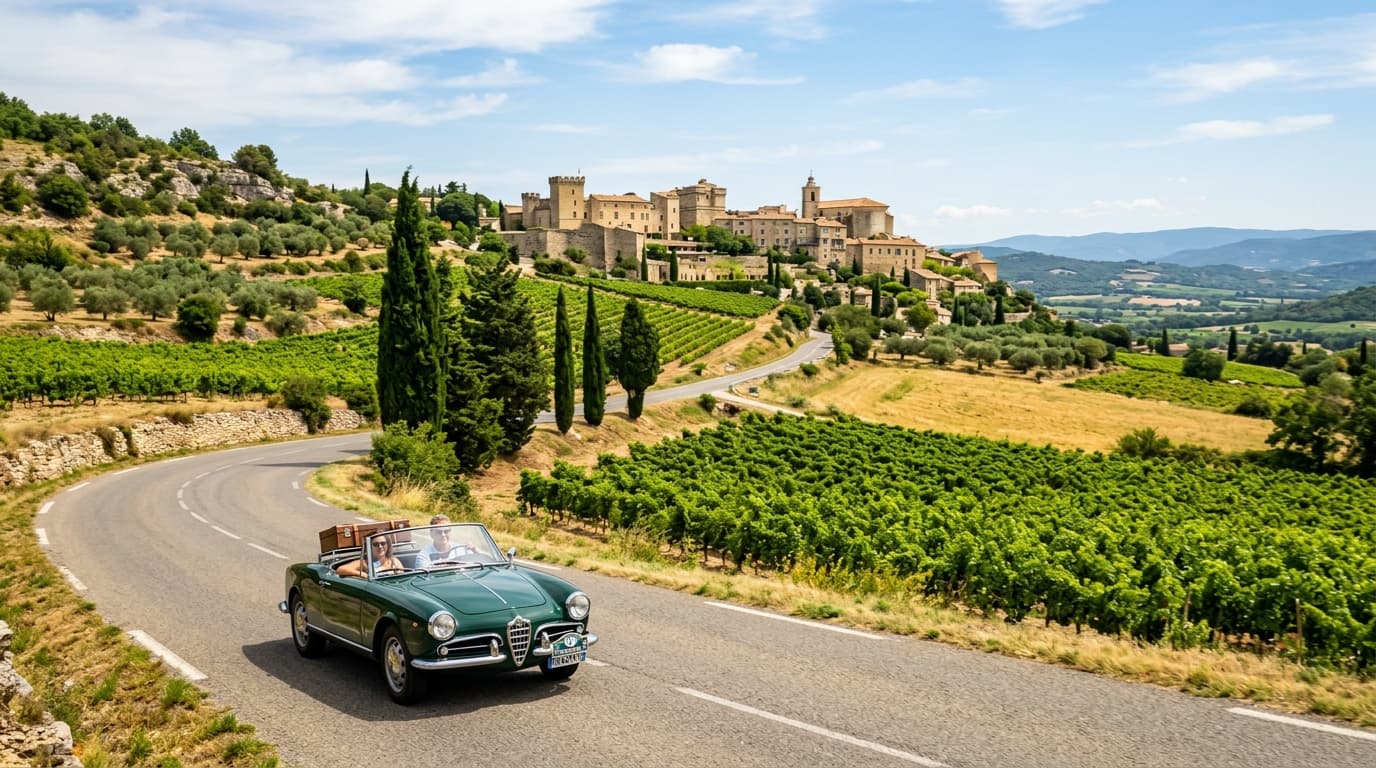
Provence Road Trip: The Ultimate Itinerary Through Southern France
Plan the perfect Provence road trip with our day-by-day itinerary covering lavender fields, hilltop villages, Roman ruins, and Mediterranean coast.
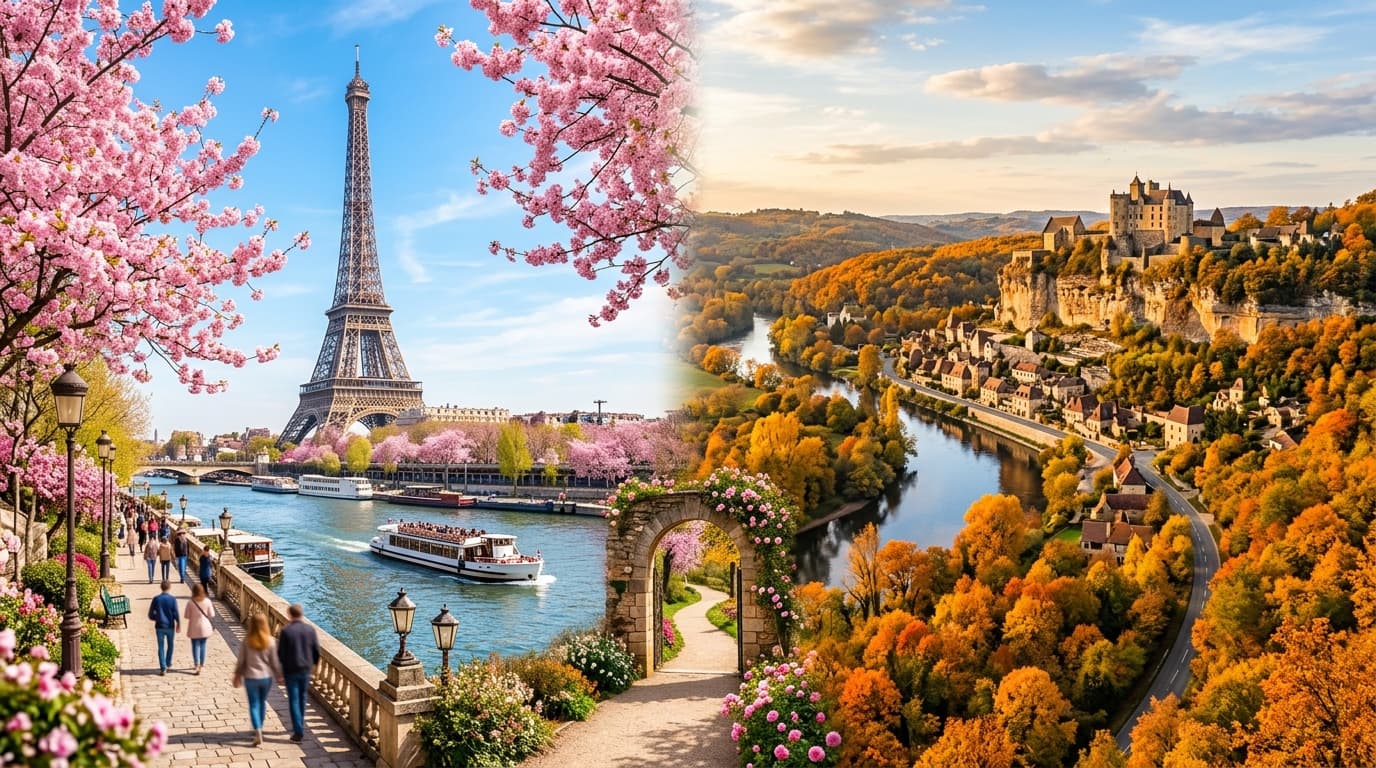
Best Time to Visit France: Month-by-Month Travel Guide
Complete month-by-month guide to visiting France. Learn best seasons, festivals, crowds, and weather to plan your perfect French getaway.
Best Time to Visit France: Month-by-Month Travel Guide
Unlock the best time to visit France with our detailed month-by-month guide, featuring weather, events, top spots, and smart planning tips to avoid crowds.