
Brittany vs Normandy: The Definitive Comparison
We've spent countless mornings watching the tide roll in across the granite cliffs of Brittany, and equally memorable afternoons wandering the half-timbered villages of Normandy. Both regions sit on France's northwestern coast, yet they feel like entirely different worlds. If you're torn between these two captivating destinations, this guide will help you choose the one that truly matches your travel style.
We may earn a small commission from bookings made through our links, at no extra cost to you.
Quick Comparison Table
| Aspect | Brittany | Normandy |
|---|---|---|
| Vibe | Wild, Celtic, rugged | Refined, pastoral, historic |
| Best For | Adventure seekers, nature lovers | History buffs, foodies, families |
| Landscape | Dramatic cliffs, rocky coastline, moorlands | Rolling farmland, gentle beaches, river valleys |
| Top Activities | Hiking, kayaking, island hopping | D-Day sites, apple orchards, château visits |
| Food Focus | Seafood, crêpes, galettes | Normandy butter, cider, cheese, cream sauces |
| Travel Pace | Slower, more exploratory | Moderate, good infrastructure |
| Crowds | Fewer tourists outside summer | More established tourism infrastructure |
1. The Landscape: Where Earth Meets Sea Differently
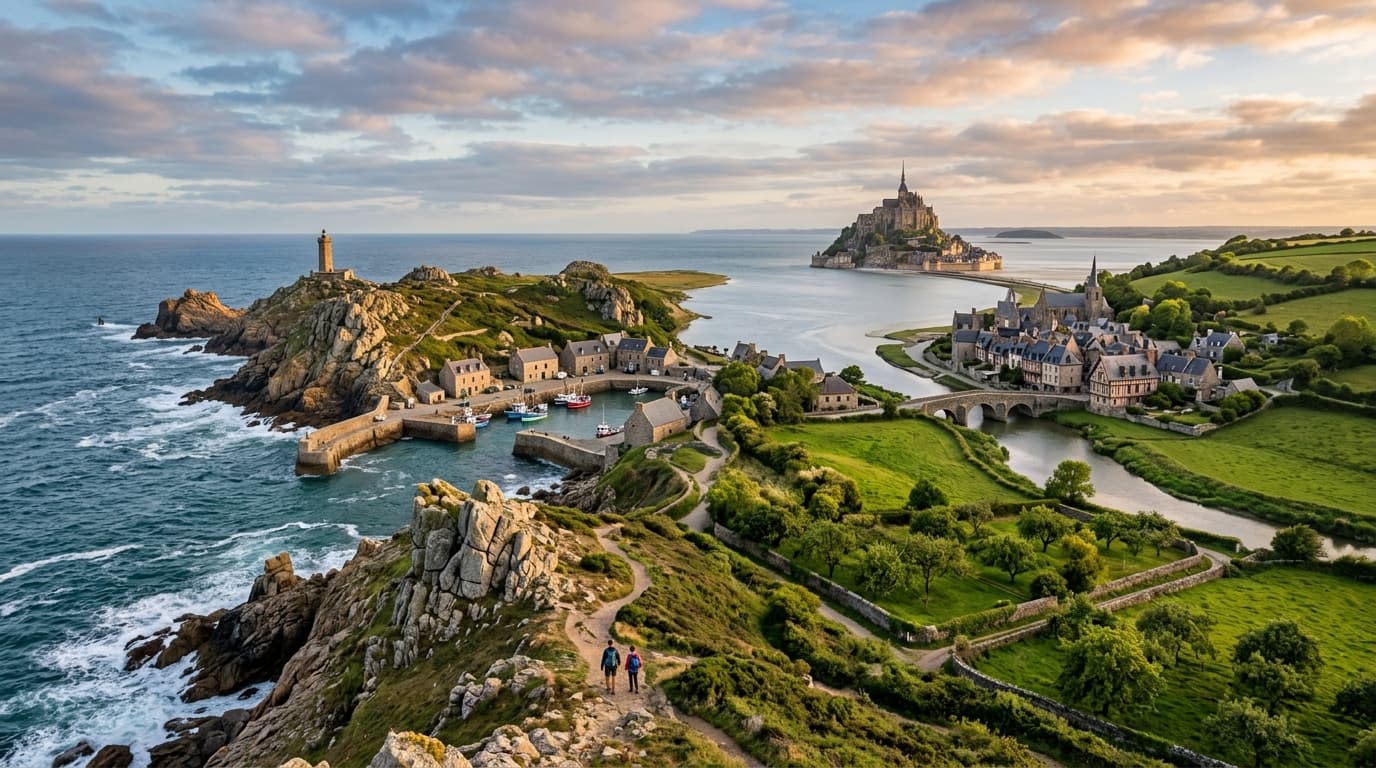
Brittany's coastline is nature's dramatic masterpiece. The Côte de Granit Rose (Pink Granite Coast) in the north features massive rose-tinted boulders stacked like a giant's toy collection. The southern coast around the Morbihan Gulf offers a more sheltered, intricate landscape with countless islands and inlets. Inland, you'll find windswept moorlands and dense forests that feel genuinely remote.
Normandy, by contrast, is pastoral and picturesque. The Alabaster Coast features white chalk cliffs (most famously at Étretat), but they're gentler than Brittany's granite formations. The interior is quintessentially Norman: apple orchards, dairy pastures, and the Seine Valley cutting through rolling green hills. When we visited the Pays d'Auge region in autumn, the landscape looked like it had been painted specifically for a postcard—all golden light and orderly farmland.
DID YOU KNOW? Brittany's tidal range is among the highest in the world. The Bay of Mont-Saint-Michel experiences tidal differences of up to 15 meters (49 feet), creating a constantly shifting landscape that's utterly unique.
Best for landscape lovers: Brittany wins if you crave dramatic, wild scenery. Normandy suits those seeking charming, cultivated countryside.
2. Villages and Towns: Character and Charm
Brittany's villages have a distinctly Celtic character. Dinan, perched above the Rance River, features medieval ramparts and cobbled streets that genuinely transport you back centuries. Locronan, a former weaving town, is almost too perfect—whitewashed granite buildings arranged around a central square, with zero modern intrusions. The fishing villages along the coast (like Concarneau) retain an authenticity that feels less "discovered" than their Normandy counterparts.
Normandy's towns are more polished and touristy, but no less charming. Honfleur is a postcard come to life: colorful buildings reflected in a perfect harbor, art galleries on every corner, and excellent seafood restaurants. Rouen, the regional capital, blends medieval architecture with sophisticated urban amenities. Bayeux, famous for its tapestry, is smaller and more intimate, with a cathedral that dominates the skyline.
When we spent a weekend in Honfleur in June, we found it crowded but undeniably beautiful. The same weekend in Locronan felt like we'd stumbled onto a film set—quiet, atmospheric, and genuinely magical.
Best for village exploration: Brittany offers more undiscovered gems and authentic character. Normandy provides more services and infrastructure within charming settings.
3. Historical Significance and Cultural Sites
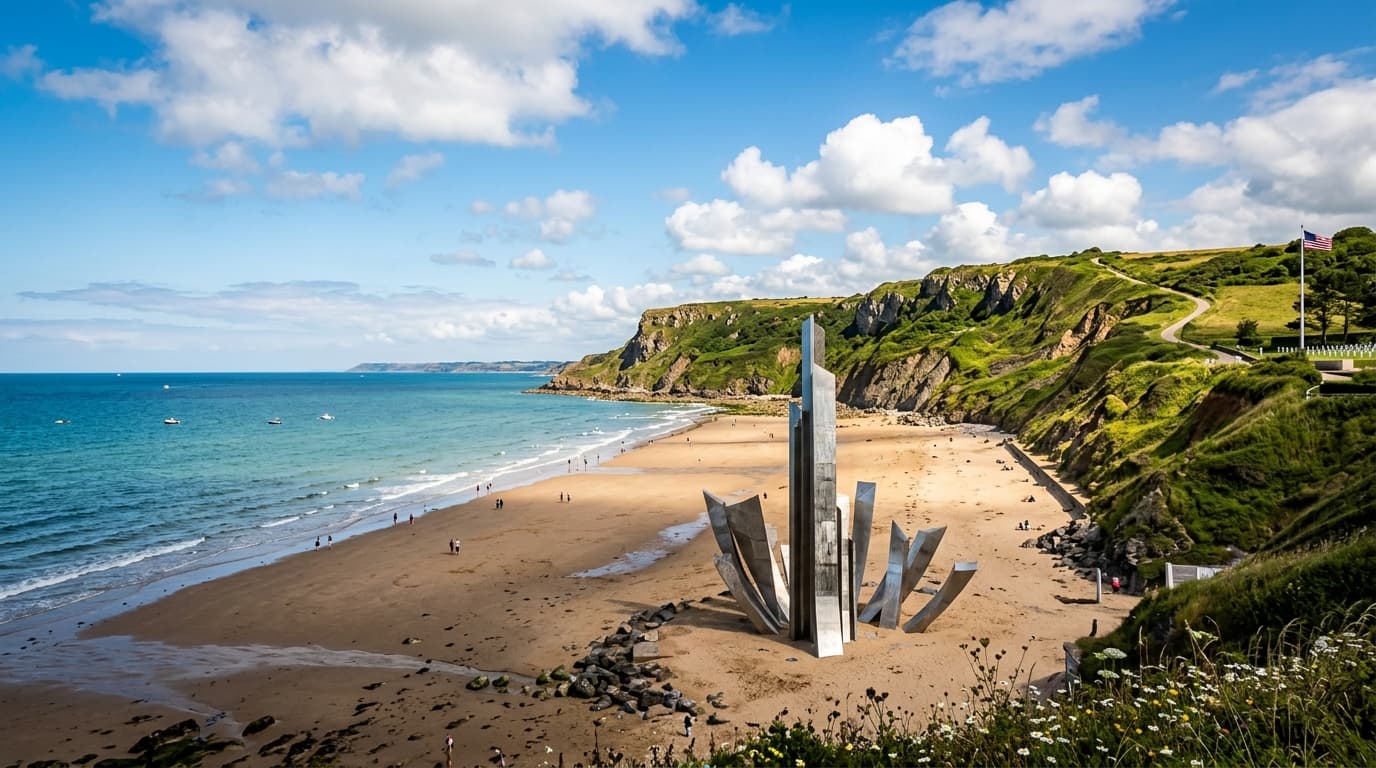
Normandy is a history lover's paradise, particularly if you're interested in World War II. The D-Day beaches, American Cemetery, and numerous museums along the coast tell the story of the 1944 invasion with sobering detail. Bayeux Cathedral and its famous 11th-century tapestry depicting the Norman Conquest are must-sees. The region is also dotted with châteaux and abbeys reflecting its ducal past.
Brittany's history is older and more Celtic. Carnac Stones—thousands of prehistoric megaliths arranged in mysterious rows—predate Stonehenge. The region has its own language (Breton), distinct traditions, and a fierce cultural identity. Medieval fortifications like those in Dinan and Concarneau speak to a different kind of history: one of independence and resistance.
Best for history: Normandy dominates if you're interested in medieval and WWII history. Brittany appeals to those fascinated by prehistoric cultures and Celtic heritage.
4. Food and Drink: Two Distinct Culinary Traditions
This is where the regions truly diverge. Normandy's cuisine centers on dairy: butter, cream, and cheese are fundamental to nearly every dish. The region produces Camembert, Livarot, and Pont-l'Évêque cheeses. Normandy cider (cidre) is a serious business—dry, complex, and nothing like mass-market versions. Apple tart (tarte aux pommes) is the dessert of choice. Seafood features prominently, but it's prepared with cream sauces rather than olive oil.
Brittany's food is seafood-forward and less cream-heavy. Oysters, mussels, and lobster are prepared simply to highlight their natural flavors. Crêpes and galettes (savory buckwheat crêpes) are the iconic street food—we've eaten dozens across the region, from simple ham-and-cheese versions to elaborate seafood combinations. Breton butter is also exceptional, but it plays a supporting role rather than dominating the cuisine. The region's cider is lighter and often sweeter than Normandy's.
For a deeper dive into regional specialties, check out our French Food Guide.
Best for food lovers: Normandy suits those who love rich, butter-based cuisine. Brittany appeals to seafood enthusiasts and those seeking lighter, fresher preparations.
5. Outdoor Activities: Adventure vs. Relaxation
Brittany is an adventure playground. The GR34 hiking trail runs 2,000 kilometers along the entire Breton coast, offering everything from easy coastal walks to challenging cliff-edge treks. Kayaking among the islands of the Morbihan Gulf is extraordinary—you can paddle between islands, explore hidden coves, and camp on remote beaches. Rock climbing, windsurfing, and sailing are all popular. The region's wild nature demands active engagement.
Normandy offers more leisurely outdoor pursuits. Cycling through the Pays d'Auge is gentle and scenic. River kayaking on the Seine is peaceful rather than challenging. Hiking exists but tends toward easier, shorter routes. The beaches are excellent for families—sandy and well-managed, though less dramatic than Brittany's rocky shores. The emphasis is on enjoying the landscape at a comfortable pace.
For more on regional activities, explore our Regions Overview.
Best for outdoor enthusiasts: Brittany for serious adventurers. Normandy for those seeking active relaxation.
6. Accommodation Options and Costs
Brittany's accommodation ranges from budget-friendly to mid-range. Guesthouses (chambres d'hôtes) are abundant and typically cost €60-90 per night. Hotels in larger towns like Dinan run €80-130 per night. Camping is excellent and affordable (€15-30 per night), reflecting the region's outdoor-focused culture. High-end options exist but are less common than in Normandy.
Normandy's accommodation is more expensive and varied. Honfleur and Bayeux command premium prices—€120-180 per night for mid-range hotels. Luxury properties (converted manors and boutique hotels) are abundant. Camping is available but less central to the tourism experience. The region caters to higher-spending visitors, and prices reflect this.
Best for budget travelers: Brittany offers better value. Normandy suits those with larger budgets seeking upscale experiences.
7. Getting There and Getting Around
Both regions are accessible from Paris, but the journey differs. Brittany's main hub is Rennes (2 hours by train from Paris). From there, regional trains connect to Dinan, Vannes, and Lorient, though service is less frequent than in Normandy. A car is genuinely useful for exploring Brittany's smaller villages and coastal roads.
Normandy is better connected. Rouen is 1 hour from Paris by train. Caen (2 hours) is another major hub. Frequent regional trains serve Bayeux, Honfleur, and other towns. The road network is excellent, and distances between attractions are shorter. Public transport is more reliable, though a car still offers more flexibility.
For travel logistics, consult our Practical Info guide.
Best for easy access: Normandy has superior infrastructure. Brittany requires more planning but rewards the effort with fewer crowds.
8. Seasonal Considerations and Weather
Brittany's weather is notoriously changeable. Summer (July-August) is warmest but also most crowded. Spring and autumn offer mild temperatures and fewer tourists, though rain is frequent. Winter is genuinely cold and windy—beautiful for dramatic photography but challenging for comfort.
Normandy's weather is slightly more stable. Summer is warm and dry, ideal for beach visits. Spring and autumn are pleasant for sightseeing. Winter is cool but manageable. The region's infrastructure means poor weather is less of a problem.
DID YOU KNOW? Brittany experiences some of Europe's strongest winds, particularly in autumn and winter. This makes it a world-class destination for windsurfing and kiteboarding, but it means you'll need proper gear for comfort.
Best for summer travel: Normandy. Best for shoulder-season exploration: Brittany (if you don't mind weather variability).
9. Tourism Infrastructure and Crowds
Normandy is well-established on the European tourism circuit. English is widely spoken, signage is clear, and tourist facilities are abundant. Popular sites like Bayeux and Honfleur are crowded in summer. The infrastructure is mature and reliable.
Brittany feels less "touristy" in the best way. English is less common, particularly outside major towns. Tourist facilities exist but are less polished. This means fewer crowds, more authentic interactions, and a genuine sense of discovery. However, it also means less convenience and more planning required.
When we visited Concarneau in July, it was busy but manageable. The same month in Honfleur required reservations weeks in advance.
Best for avoiding crowds: Brittany, especially outside July-August. Best for ease and convenience: Normandy.
10. Which Region Should You Choose?
Choose Brittany if you:
- Love dramatic landscapes and wild coastlines
- Enjoy hiking, kayaking, and active exploration
- Prefer authentic, less-touristy experiences
- Are interested in Celtic culture and prehistoric history
- Want excellent seafood and lighter cuisine
- Have flexible plans and don't mind unpredictable weather
- Seek better value for money
Choose Normandy if you:
- Are fascinated by medieval and WWII history
- Prefer pastoral, cultivated landscapes
- Want excellent infrastructure and easy travel
- Love rich, butter-based cuisine and cider
- Prefer established tourism with reliable services
- Are traveling with families seeking beaches and châteaux
- Have limited time and want maximum convenience
Choose both if you have 10+ days. They're close enough to combine (roughly 3 hours between Rennes and Rouen), and each region offers distinct enough experiences to justify the time.
FAQ: Common Questions About Brittany vs Normandy
Q: Which region has better beaches? A: Normandy has more family-friendly sandy beaches. Brittany's beaches are rockier but more dramatic and less crowded. For swimming comfort, Normandy wins. For scenery, Brittany.
Q: Is one region significantly cheaper than the other? A: Yes. Brittany is noticeably cheaper for accommodation, food, and activities. Normandy's established tourism infrastructure drives higher prices across the board.
Q: Which region is better for a first-time visitor to France? A: Normandy. Better infrastructure, easier logistics, and more English speakers make it more accessible. Brittany rewards repeat visitors and those comfortable with more independent travel.
Q: Can I visit both regions in one trip? A: Absolutely. A 10-14 day trip combining both is ideal. Spend 5-7 days in each, using Rennes or Nantes as a base for Brittany and Rouen or Caen for Normandy.
Q: Which region has better food? A: Different, not better. Normandy's cream-based cuisine is richer and more indulgent. Brittany's seafood-focused cooking is fresher and lighter. Choose based on your palate.
Q: What's the best time to visit each region? A: Normandy: May-June or September-October for pleasant weather and fewer crowds than July-August. Brittany: May-June or September for milder weather, though it's beautiful year-round if you embrace the elements.
Q: Do I need a car in either region? A: Normandy: No, but a car adds flexibility. Brittany: Highly recommended for exploring villages and coastal roads beyond major towns.
Final Thoughts
After years exploring both regions, we've come to see them not as competitors but as complements. Normandy is France's refined northwestern face—polished, historic, and welcoming. Brittany is its wild, Celtic soul—dramatic, authentic, and demanding of your engagement.
The choice ultimately depends on what kind of traveler you are. If you want comfort, history, and reliable infrastructure, Normandy delivers. If you crave adventure, authenticity, and dramatic landscapes, Brittany calls. And if you're fortunate enough to have the time, there's no reason to choose at all.
Start planning your northwestern France adventure today. Whether you choose one region or both, you'll return home with memories of some of Europe's most distinctive coastline and culture.
Ready to explore? Check out our Regions Overview for more destination guides, or dive deeper into French Drinks Guide to understand the cider and wine traditions of both regions.
Sources & References
Cet article est base sur une experience directe et verifie avec les sources officielles suivantes:

Go2France Team
Base en France depuis 2020 | 13 regions visitees | Mis a jour mensuellement
Nous sommes une equipe de redacteurs de voyage et de passionnes de la France qui explorent le pays toute l'annee. Nos guides sont bases sur l'experience directe, les connaissances locales et des sources officielles verifiees.
En savoir plus sur nous →A lire aussi
Normandy & D-Day Beaches: Complete 2026 Visitor Guide
Visit Normandy's D-Day beaches and historic sites with our complete guide covering Omaha Beach, Utah Beach, the American Cemetery, and the Bayeux Tapestry.

France in Peak Season vs Low Season: Honest Comparison
Peak vs low season in France: costs, crowds, weather, and festivals. Plan smarter with honest trade-offs for each season.

Best Things to Do in France: Experiences Worth Booking
Discover the best experiences to book in France: wine tastings, cooking classes, château tours, and more. Compare operators, prices, and get honest reviews.

Outdoor Adventures in France: Nature, Culture and Practical Tips
Discover the best outdoor adventures in France: hiking, cycling, water sports, and cultural experiences. Complete guide with costs, operators, and booking tips.